How credit cards work step by step for beginners is something most banks never explain clearly. Many people fall into debt not because they are irresponsible, but because no one shows them the full system from start to finish.

Credit cards are powerful financial tools. Used correctly, they help you build credit, earn rewards, and increase financial flexibility. Used carelessly, they create long-term high-interest debt.
In this complete beginner-friendly guide, you will learn:
• How credit cards really work behind the scenes
• How billing cycles and grace periods function
• How APR and interest are calculated
• How to avoid paying interest completely
• How to build strong credit safely
• The 7 smart rules that protect you from costly debt
If you truly understand how credit cards work step by step for beginners, you stop fearing them and start controlling them.
Table of Contents
- What Is a Credit Card in Simple Words
- How Credit Cards Work Step by Step for Beginners
- Understanding Billing Cycles and Grace Periods
- What Is APR and How Interest Is Calculated
- Credit Utilization Explained Clearly
- Real-Life Example: Two Different Outcomes
- 7 Smart Rules to Avoid Costly Debt
- Benefits of Using Credit Cards Responsibly
- Risks and Beginner Mistakes to Avoid
- Long-Term Credit Strategy
What Is a Credit Card in Simple Words?
A credit card is not free money.
It is a short-term revolving loan that renews every month.
When you use a credit card:
- The bank pays the merchant instantly.
- You owe the bank that amount.
- You repay the bank by the due date.
If you pay the full statement balance during the grace period, you usually pay zero interest.
If you do not pay in full, interest begins accumulating on the remaining balance.
According to the official explanation from the Consumer Financial Protection Bureau, a credit card allows you to borrow money up to a set limit and repay it later either in full or over time with interest.
Official reference:
https://www.consumerfinance.gov/ask-cfpb/what-is-a-credit-card-en-315/
How Credit Cards Work Step by Step for Beginners in Real Life
To truly understand how credit cards work step by step for beginners, let us walk through a realistic scenario.
Step 1: You Get Approved
The bank gives you:
• A credit limit, for example $2,000
• An APR, for example 22 percent
• A billing cycle, usually around 30 days
Your credit limit is the maximum you can borrow at one time. It is not the amount you should spend.
Step 2: You Make Purchases
During the month, you spend:
• $200 on groceries
• $150 online
• $100 on fuel
Total balance = $450
The bank pays those businesses immediately.
Now you owe the bank $450.
Step 3: Billing Cycle Ends
After around 30 days, your statement is generated.
It shows:
• Statement balance: $450
• Minimum payment: maybe $25
• Due date: usually 20 to 25 days later
This extra window is called the grace period.
Step 4: You Decide How to Pay
Now you have two choices.
Smart Choice:
You pay the full $450 before the due date.
Result:
• No interest charged
• Positive payment history
• Credit score improves
Risky Choice:
You pay only $25.
Result:
• Remaining balance carries forward
• Interest starts accumulating daily
• Debt slowly grows
This simple decision determines your financial future.
Understanding Billing Cycles and Grace Periods
Many beginners think interest starts immediately after purchase. That is not true if you pay in full.
Here is the real timeline:
• Day 1: You buy something
• Day 30: Billing cycle closes
• Statement is issued
• You get about 20 to 25 days to pay
• If paid in full → No interest
If not paid in full → Interest applies to the remaining balance.
Understanding timing is the key to using credit cards safely.
What Is APR and How Is Interest Calculated?
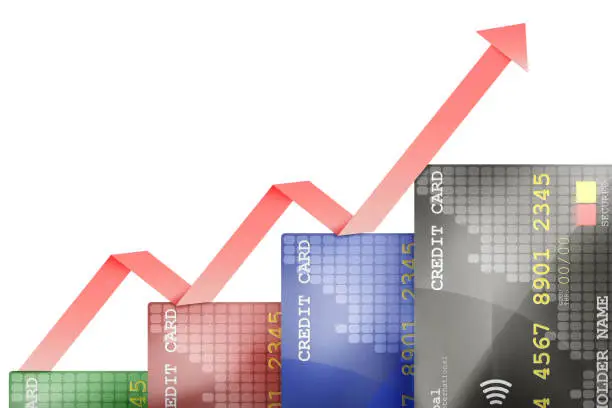
APR means Annual Percentage Rate. It is the yearly interest rate on unpaid balances.
If your APR is 24 percent, you do not instantly pay 24 percent.
Interest is usually calculated daily.
Example:
• Balance: $1,000
• APR: 24 percent
• Daily rate: 24 divided by 365 ≈ 0.065 percent per day
That small number may look harmless.
But if you carry a balance month after month, compound interest works against you.
Over time, $1,000 can turn into $1,300 or more.
That is why understanding how credit cards work step by step for beginners protects you from silent debt growth.
Real-Life Example: Two Beginners, Two Outcomes
Person A, Disciplined User:
• Uses the card for normal expenses only
• Pays full balance every month
• Keeps utilization under 20 percent
• Never misses a payment
After one year:
• Strong credit score
• Higher approval chances
• Better loan rates
• Earned rewards
• Paid zero interest
Person B, Emotional Spender:
• Maxes out credit limit
• Pays minimum payments
• Misses due dates
• Takes cash advances
After one year:
• High interest debt
• Lower credit score
• Late fees
• Financial stress
Same credit card.
Different behavior.
Completely different results.
Credit Utilization Explained Clearly
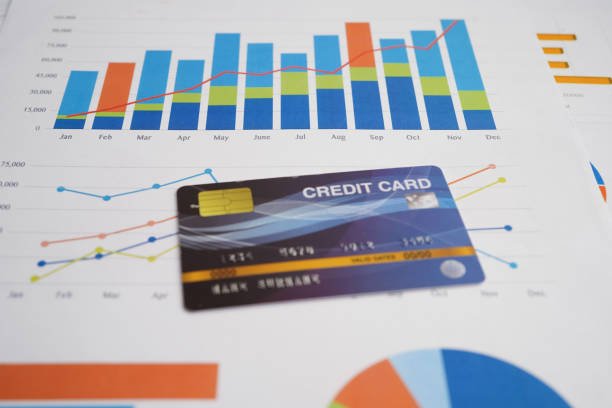
Credit utilization is the percentage of your credit limit you are using.
Formula:
Used Credit divided by Credit Limit × 100
Example:
• Credit limit: $2,000
• Used: $1,000
• Utilization: 50 percent
High utilization can lower your credit score.
Experts recommend keeping it under 30 percent.
For stronger credit building, under 10 percent is ideal.
If your limit is $5,000 and you use $400, your utilization is only 8 percent. That signals control and financial stability.
7 Smart Rules to Avoid Costly Debt
If you want to master how credit cards work step by step for beginners, follow these seven powerful rules.
Rule 1: Spend Only What You Already Have
Never use your credit limit as extra income.
Rule 2: Always Pay the Full Statement Balance
This avoids interest completely.
Rule 3: Track Your Statement Closing Date
Timing matters.
Rule 4: Keep Utilization Under 30 Percent
Lower is better for your credit score.
Rule 5: Set Automatic Minimum Payments
This protects you from accidental late fees.
Rule 6: Avoid Cash Advances
They usually have higher interest and no grace period.
Rule 7: Review Your Statement Monthly
Check for fraud or hidden charges.
Follow these rules and your card becomes a financial tool instead of a financial trap.
Benefits of Using Credit Cards Responsibly
When used wisely, credit cards can:
• Build strong credit history
• Provide fraud protection
• Offer purchase protection
• Earn cashback or travel rewards
• Increase financial flexibility
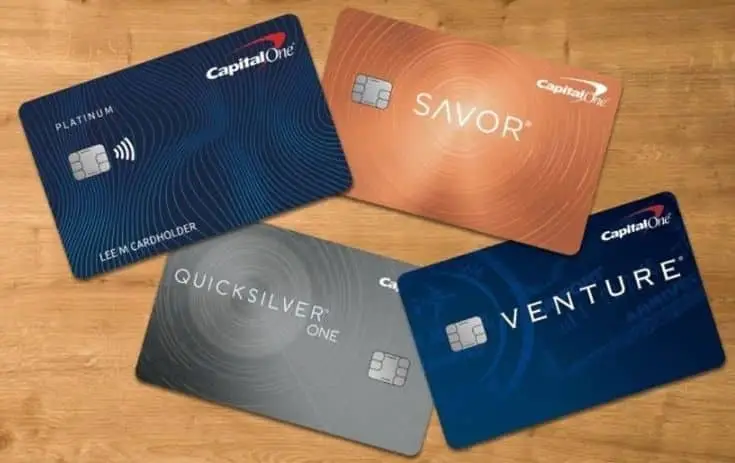
For example, premium cards offer advanced travel benefits and reward systems. If you want a detailed breakdown of features and benefits, read:
[Capital One Venture X Complete Guide]
Risks and Beginner Mistakes to Avoid
Even after understanding how credit cards work step by step for beginners, mistakes can happen.
Common mistakes include:
• Paying only minimum payments regularly
• Ignoring billing cycle dates
• Overspending for rewards
• Applying for too many cards quickly
• Missing due dates
One missed payment can damage your credit score for months.
Discipline is more important than rewards.
Who Should Avoid Credit Cards for Now
Credit cards are not suitable for everyone.
Avoid using them if:
• You do not have stable income
• You struggle with impulse spending
• You already carry high interest debt
• You do not track expenses
Build financial discipline first. Then use credit as a tool.
Long-Term Strategy: Turning Credit Into Financial Leverage
Responsible credit usage over time helps you:
• Qualify for better mortgage rates
• Get approved for business loans
• Receive higher credit limits
• Access premium financial products
• Improve financial credibility
Credit cards do not create wealth alone.
They amplify habits.
If you are disciplined, they amplify growth.
If you are careless, they amplify mistakes.
Final Thoughts
How credit cards work step by step for beginners is not complicated once you see the full system clearly.
A credit card is simply a short-term loan with a monthly reset.
Pay in full.
Stay below 30 percent utilization.
Never miss a due date.
Avoid cash advances.
Do this consistently, and you can build strong credit without ever paying interest.
Credit cards are neutral tools.
Used wisely, they build financial strength.
Used carelessly, they create costly long-term debt.
The difference is not the card.
The difference is how you use it.

1 Comment
Abi · February 16, 2026 at 6:42 am
❤️