Money transfer abstract concept vector illustration. Credit card transfer, digital payment method, online cashback service, electronic bank transaction, sending money worldwide, and abstract metaphor.
If you have ever wondered how credit cards work, you are not alone. Many people use credit cards every day without fully understanding what is happening behind the scenes. They swipe, tap, or click to pay. The transaction is approved in seconds. The bill comes later. But what really happens in between?
A credit card is not free money. It is not extra income. It is a short term loan that can either help you build a strong financial future or slowly trap you in high interest debt.
In this complete guide, you will learn how credit cards work step by step, how interest is calculated, how billing cycles function, how your credit score is affected, and how to use a credit card safely and intelligently. This article is written in simple, practical language so that anyone can understand it, even if you are a complete beginner.
What Is a Credit Card in Simple Words?
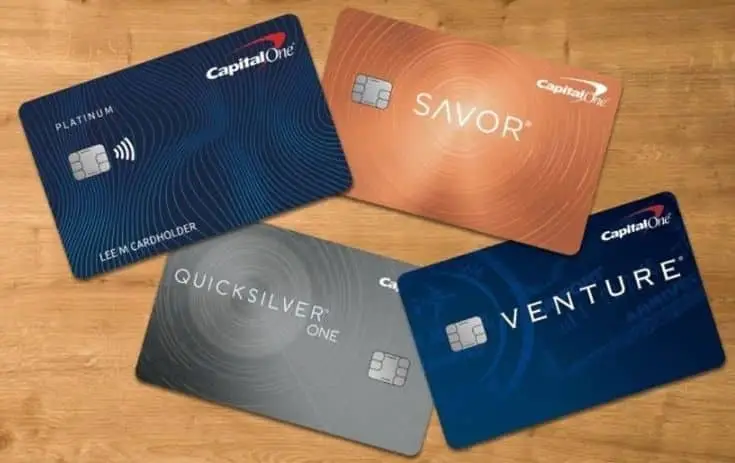
A credit card is a financial tool issued by banks and companies such as Capital One, Chase Bank, and American Express. It allows you to borrow money up to a specific limit called your credit limit.
When you use your credit card to buy something, the bank pays the seller on your behalf. You then owe that money to the bank. At the end of a billing cycle, you receive a statement showing how much you spent and when the payment is due.
You can either:
- Pay the full statement balance and avoid interest
- Pay part of it and carry the rest with interest
Understanding how credit cards work begins with understanding that every purchase is borrowed money until you repay it.
How Credit Cards Work Step by Step
Let us break down how credit cards work in real life.
Step 1: You apply and get approved for a credit card. The bank assigns you a credit limit. For example, 3,000 dollars.
Step 2: You make purchases. Let us say you spend 1,200 dollars during the month.
Step 3: The bank pays each merchant instantly. You now owe 1,200 dollars.
Step 4: At the end of your billing cycle, you receive a statement showing:
- Total balance: 1,200 dollars
- Minimum payment: maybe 40 dollars
- Due date: specific deadline
Step 5: You decide how much to pay.
If you pay 1,200 dollars before the due date, you usually pay no interest.
If you pay only 40 dollars, the remaining balance carries forward and interest starts building.
This is the core of how credit cards work.
What Is a Billing Cycle?

A billing cycle is usually around 30 days. During this time, all your transactions are recorded.
At the end of the cycle, the bank generates a statement. This statement includes:
- Statement balance
- Minimum payment required
- Due date
There is usually a grace period between the statement date and the due date. If you pay the full statement balance within this period, you avoid interest on new purchases.
If you miss this window, interest begins accumulating on the unpaid balance.
What Is APR and How Interest Is Calculated?
APR stands for Annual Percentage Rate. It is the yearly interest rate charged when you carry a balance.
For example, if your APR is 22 percent and you carry a 1,000 dollar balance for a full year, you could pay around 220 dollars in interest.
However, interest is not added once per year. It is usually calculated daily based on your average daily balance. That means the longer you carry debt, the more expensive it becomes.
You can read more about how credit reports and scoring work from Experian at https://www.experian.com/consumer/education/credit-scores/
The most important rule in understanding how credit cards work is simple: pay your full statement balance every month to avoid interest.
The Minimum Payment Trap Explained
The minimum payment looks small and manageable. That is why many people choose it.
But here is the danger.
If your balance is 2,000 dollars and your minimum payment is 60 dollars, most of that payment may go toward interest. Only a small portion reduces the actual balance.
If you continue paying only the minimum, you could remain in debt for years and pay hundreds or even thousands in extra interest.
This is one of the biggest misunderstandings about how credit cards work.
What Is a Credit Limit?
Your credit limit is the maximum amount you are allowed to borrow on your card.
If your limit is 5,000 dollars and you spend 4,500 dollars, you are using 90 percent of your available credit.
Using too much of your limit can negatively affect your credit score, even if you make payments on time.
Credit Utilization and Why It Matters

Credit utilization is the percentage of your available credit that you are currently using.
Example:
Credit limit: 5,000 dollars
Balance: 1,000 dollars
Utilization: 20 percent
Experts recommend keeping utilization below 30 percent. Lower is usually better.
High utilization signals risk to lenders and can reduce your credit score. Understanding this part of how credit cards work is critical if you want to build strong credit.
How Credit Cards Affect Your Credit Score
Your credit card behavior has a major impact on your credit score.
The main factors include:
Payment history
Credit utilization
Length of credit history
Types of credit used
New credit applications
Payment history is the most important factor. One missed payment can significantly lower your score.
Credit scoring systems such as those developed by FICO use these factors to calculate your score.
Paying on time and keeping balances low builds a strong credit profile over time.
Types of Credit Cards
Not all credit cards are the same. Different types serve different purposes.
Cashback credit cards give you a percentage of your spending back as cash.
Travel credit cards provide points or miles for flights and hotels.
Balance transfer cards offer lower interest promotional periods to move existing debt.
Secured credit cards require a refundable deposit and are useful for building or rebuilding credit.
Student credit cards are designed for beginners with limited credit history.
Each type works the same at its core, but the benefits and fees differ.
Common Credit Card Fees
Understanding how credit cards work also means understanding the fees involved.
Annual fee
Late payment fee
Foreign transaction fee
Balance transfer fee
Cash advance fee
Some premium cards charge high annual fees but offer strong rewards and travel benefits. Others charge no annual fee but offer fewer perks.
Always review the terms before applying. For consumer protection information, you can refer to the Consumer Financial Protection Bureau at https://www.consumerfinance.gov/
Advantages of Credit Cards
When used responsibly, credit cards offer real benefits.
They help build your credit score.
They offer fraud protection on unauthorized transactions.
They provide rewards such as cashback or travel points.
They allow you to manage short term cash flow.
They can provide emergency financial flexibility.
Understanding how credit cards work allows you to enjoy these advantages without falling into debt.
Disadvantages and Risks
Credit cards also come with risks.
High interest rates can make debt expensive.
Minimum payments can trap you long term.
Late payments damage your credit score.
Overspending becomes easier with borrowed money.
If not managed carefully, credit cards can create financial stress.
For more practical tips on managing your finances wisely, check out our guide on 7 Smart Rules to Avoid Costly Debt, which complements how credit cards work step by step for beginners.
Smart Strategy for Using Credit Cards
If you want to use credit cards wisely, follow these rules:
Use your card only for planned expenses.
Never spend more than you already have in your bank account.
Pay your full statement balance every month.
Keep your credit utilization under 30 percent.
Set automatic payments or reminders.
Review your statements regularly.
When you understand how credit cards work and follow these principles, you stay in control.
Zero Percent APR Offers
What Is APR and How Is Interest Calculated?
Some credit cards offer zero percent APR for 12 to 18 months.
This can be helpful for large purchases or consolidating debt.
However, you must pay off the balance before the promotional period ends. Otherwise, high standard interest rates apply.
These offers can be useful tools, but only with discipline.
Debit Card vs Credit Card
A debit card uses your own money from your bank account.
A credit card uses borrowed money.
Debit cards do not build credit history. Credit cards do.
Credit cards also offer stronger fraud protection and rewards programs. Both have a place in personal finance, but they serve different purposes.
Final Thoughts: Use Credit Cards with Knowledge
Credit cards are neither good nor bad by themselves. They are financial tools.
When you understand how credit cards work, you can:
Build a strong credit score
Earn rewards
Protect your purchases
Manage cash flow responsibly
When you misunderstand them, you risk:
High interest debt
Credit score damage
Long term financial pressure
The difference is education and discipline.
Learn the system. Respect the rules. Pay in full whenever possible. If you do that, your credit card can become a powerful tool for building financial stability instead of a source of stress.

2 Comments
Trust Crown · February 15, 2026 at 10:57 pm
Thank You❤️
Abi · February 16, 2026 at 6:43 am
❤️