If you have been asking yourself, “Why is my savings account interest going down?” you are not alone. Many people notice their returns shrinking even when they are saving consistently. It feels frustrating, especially when you expect your money to grow safely.
The truth is simple but often hidden. Savings account interest is not fixed, and several factors influence how much you earn. Once you understand these factors, you can take control and improve your financial outcome.
What Does It Mean When Savings Interest Decreases?
A savings account is designed to provide security and modest growth. However, the interest rate on it changes over time based on economic conditions, banking policies, and your account activity.
So if you are wondering again why is my savings account interest going down, it usually reflects a broader financial shift rather than a mistake.
Why Is My Savings Account Interest Going Down? Key Reasons
1. Central Bank Policy Changes
One of the biggest reasons is changes in central bank interest rates. When these rates drop, commercial banks follow by lowering savings account returns.
2. Banks Adjust Rates Quietly
Banks can reduce interest rates without directly informing every customer. Many users continue earning less without realizing the change.
3. Promotional Offers Have Ended
Some banks offer high interest rates for a limited time. After the promotional period ends, the rate drops significantly.
4. Balance-Based Interest System
Many banks use tiered systems where your balance determines your interest rate. A small drop in balance can reduce your earnings.
5. Low-Yield Account Type
Not all savings accounts are equal. Basic accounts often offer lower returns compared to high-yield or digital savings accounts.
6. Inflation Is Eating Your Returns
Even if your interest rate looks stable, inflation reduces your real earnings. Your money may grow more slowly than living costs.
Hidden Reasons Most People Miss
Banks Reward New Customers More
New users often get better interest rates than existing ones.
Passive Users Earn Less
If you never review or switch your account, your returns may stay low.
Tier Structures Are Designed Strategically
Most people unknowingly stay in lower earning tiers.
How to Fix It and Increase Your Savings Interest
If you are serious about solving the problem of why is my savings account interest going down, here are practical steps you can take.
1. Compare Better Options
Do not rely on one bank. Compare different savings accounts to find better rates.
👉 External resource:
You can compare global rates on NerdWallet
2. Maintain an Optimal Balance
Check your bank’s interest tiers and try to stay in a higher bracket.
3. Switch to High-Interest Digital Accounts
Online banks often provide better returns due to lower operational costs.
4. Diversify Your Savings
Split your money between:
- Regular savings account
- High-yield account
- Fixed deposit
5. Monitor Your Interest Regularly
Check your interest rate every few months. Small changes can have a big impact over time.
Savings Account vs Fixed Deposit
| Feature | Savings Account | Fixed Deposit |
|---|---|---|
| Risk | Very Low | Low |
| Return | Low | Higher |
| Flexibility | High | Limited |
Internal Resources You Should Read
- How to increase savings interest step by step
- Best high-interest savings accounts
- Common savings mistakes to avoid
👉 (In articles ko apne blog par internally link karna)
Benefits of Savings Accounts
- High security
- Easy access to funds
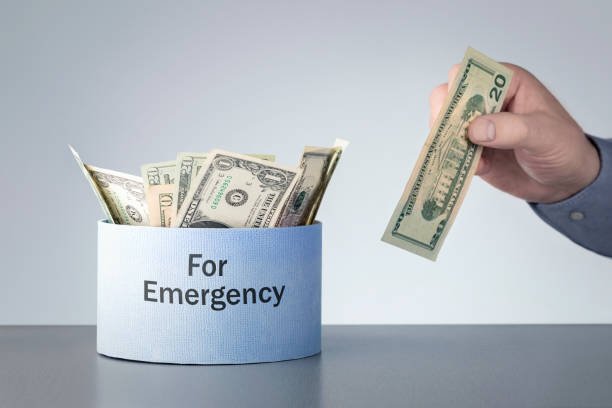
- Ideal for emergency savings
Risks You Should Know
- Interest rates can drop anytime
- Returns are usually low
- Inflation reduces value over time
Final Thoughts
If you keep wondering why is my savings account interest going down, remember that this is a normal part of how banks and economies operate.
The key is not to ignore it.
By staying informed, comparing options, and making small but smart changes, you can improve your returns and make your savings work better for you.


0 Comments