Unexpected expenses can appear at any time. A medical bill, an urgent car repair, job loss, or a sudden travel need can disrupt your financial stability if you do not have savings set aside for these situations. That is why many people want to build an emergency fund fast so they can handle financial surprises without stress. Learning how to build an emergency fund quickly is one of the most important financial skills in 2026 because it helps protect your income, reduce debt risk, and create long-term financial security.
An emergency fund is simply money saved for unexpected situations. When you build an emergency fund fast, you create a financial safety net that protects you from using credit cards or loans when emergencies happen. This step-by-step guide will show you practical strategies to build an emergency fund fast, even if you are starting with zero savings.

Many people believe saving money is difficult, especially when they are already managing bills and daily expenses. The truth is that anyone can build an emergency fund by following a clear strategy and making consistent small decisions.
This guide explains practical steps that can help you build an emergency fund faster in 2026, even if you are starting with zero savings.
Why You Should Build an Emergency Fund Fast for Financial Security
An emergency fund protects your financial life in multiple ways. For this reason, financial planners strongly recommend that individuals build an emergency fund fast so they can stay prepared for unexpected expenses.
First, it prevents debt. Without emergency savings, people often rely on credit cards or personal loans when unexpected expenses appear. When you build an emergency fund fast, you reduce the risk of falling into high-interest debt during emergencies.
Second, it reduces stress. Knowing that you have money prepared for emergencies creates a strong sense of financial confidence. People who build an emergency fund fast usually feel more secure about their financial future.
Third, it protects long-term goals. Instead of withdrawing money from investments or retirement accounts, you can rely on emergency savings. This is another reason why many experts encourage people to build an emergency fund as part of a strong financial strategy.
Fourth, it improves financial discipline. People who maintain emergency funds usually develop better budgeting and saving habits. Over time, these habits make it easier to build an emergency fund fast and maintain long-term financial stability.
What Is an Emergency Fund and Why People Want to Build an Emergency Fund Fast
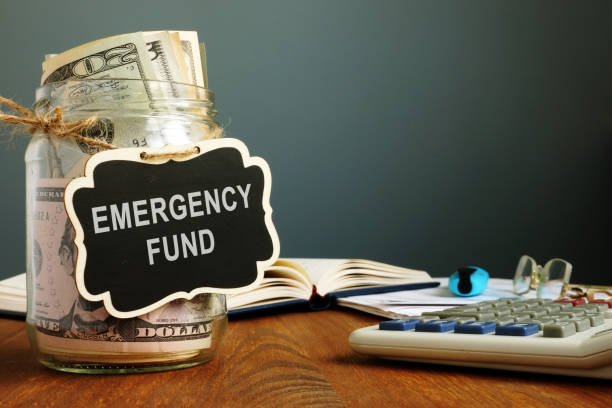
An emergency fund is a separate savings reserve that you keep for unexpected financial situations. It acts as a financial safety net and protects you from borrowing money or using credit cards during emergencies. Because of these benefits, many financial experts recommend learning how to build an emergency fund fast so you are prepared before a financial problem appears.
Examples of emergencies include medical expenses, sudden job loss, urgent home repairs, unexpected travel needs, or major car problems. These situations can appear without warning and often require immediate money. When people build an emergency fund fast, they create a financial cushion that helps them manage these unexpected costs without stress.
Financial experts commonly suggest keeping three to six months of essential living expenses as emergency savings. This recommendation helps people survive financial disruptions without falling into debt. That is why personal finance guides often encourage beginners to build an emergency fund fast before focusing on other financial goals.
You can read official financial preparedness guidance from the Consumer Financial Protection Bureau, which provides trusted information about building savings and financial stability. Their guidance also highlights why households should build an emergency fund fast to stay financially secure during unexpected situations.
Benefits You Get When You Build an Emergency Fund Fast
When people decide to build an emergency fund fast, they often notice immediate improvements in their financial confidence. Knowing that you have money saved for unexpected problems removes a large amount of financial stress from daily life. Instead of worrying about sudden bills or emergencies, you can focus on managing your finances with more control and stability.
Another important benefit of choosing to build an emergency fund fast is protection from high-interest debt. Many people fall into financial problems because they rely on credit cards during emergencies. When you build an emergency fund fast, you create a financial cushion that allows you to handle urgent expenses without borrowing money.
People who successfully build an emergency fund fast also develop stronger money habits. They start paying closer attention to their spending decisions, budgeting strategies, and savings goals. Over time, these habits improve overall financial health and make it easier to manage both short-term and long-term financial responsibilities.
In the long run, the decision to build an emergency fund quickly gives you financial independence and peace of mind. It ensures that unexpected events do not destroy your financial progress and allows you to continue working toward bigger financial goals with confidence.
How Much Money Do You Need to Build an Emergency Fund Fast
The size of your emergency fund depends on your monthly expenses and financial responsibilities.
Starter emergency fund
Your first goal should be to save one thousand dollars. This amount covers many small emergencies and helps you avoid immediate financial pressure.
Basic emergency fund
The next goal isto saveg three months of essential living expenses. This protects you during short periods of income disruption.
Complete emergency fund
The final target is six months of essential expenses. This level provides strong financial security during major life disruptions such as job loss.
Most beginners should focus only on reaching the first one thousand dollars as quickly as possible.
Step One: Understand Your Monthly Expenses
Before starting your emergency savings journey, you must clearly understand your monthly expenses.
Write down the essential costs that you cannot avoid each month. These typically include housing payments, food, transportation, utilities, insurance, and necessary bills.
Knowing your exact monthly expenses allows you to calculate how much emergency savings you eventually need.
If you are new here and don’t know how to make a simple monthly budget, you can go and read our blog post about a simple monthly budgeting guide for beginners.
Step Two: Set a Clear Savings Target
Saving money becomes easier when you define a clear goal. Instead of thinking about thousands of dollars immediately, focus on reaching your first one thousand dollars.
This smaller goal feels achievable and creates strong motivation to continue saving.
Once you reach this first milestone, you can gradually increase your emergency fund toward three months and then six months of living expenses.
Step Three:e Use a Separate Savings Account
Keeping emergency savings separate from your everyday spending account is extremely helpful.
When emergency money sits in the same account as your daily spending money, it becomes easier to spend it accidentally.
Until a real emergency occurs, opening a dedicated savings account ensures that the money stays protected.
Many online banks also offer savings accounts that earn interest, allowing your emergency fund to grow slowly over time.
Step Four: Automate Your Savings
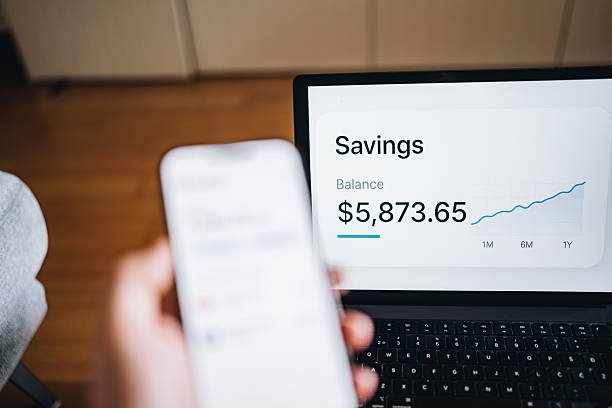
Automation is one of the easiest methods for building an emergency fund quickly.
Instead of manually saving money every month, create automatic transfers from your main account to your emergency savings account.
For example, you can transfer fifty dollars every week or two hundred dollars every month automatically.
This system removes the need for constant discipline because saving becomes automatic.
Step Five: Reduce One or Two Unnecessary Expenses
Building savings faster often requires reviewing your current spending habits.
Look carefully at your expenses and identify areas where small adjustments are possible. This could include reducing online subscriptions, limiting food delivery orders, or cutting unnecessary shopping.
Even saving fifty or one hundred dollars per month can significantly accelerate your emergency fund progress.
These changes do not need to be permanent. They simply help you reach your financial safety target faster.
Step Six: Use Extra Income Opportunities
Another effective strategy for building an emergency fund is using extra income sources.
Many people have opportunities to earn additional money through freelance work, tutoring, online services, or selling unused items.
When you earn extra money, send a large portion directly to your emergency fund rather than spending it immediately.
This approach allows your savings to grow much faster than relying only on your regular salary.
Step Seven: Save Unexpected Money
Unexpected income can significantly speed up your emergency fund growth.
Examples include tax refunds, bonuses, gifts, freelance payments, or extra commissions.
Instead of spending all of this money, allocate a portion of it directly to your emergency savings account.
This method helps you increase your savings without reducing your normal lifestyle spending.
Step Eight: Choose the Right Place to Store Emergency Savings
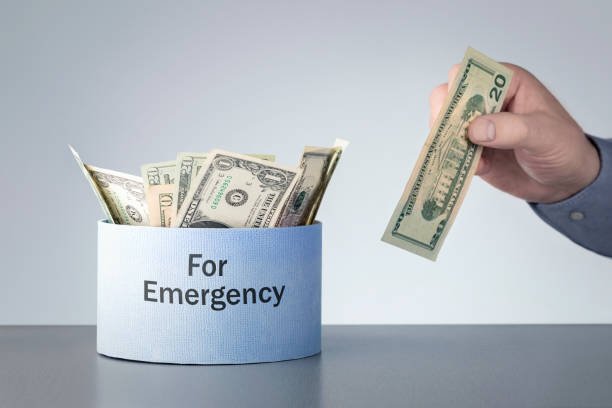
Your emergency fund should remain safe and easily accessible.
Savings accounts are usually the best place to store this money because they provide quick access while keeping the funds secure.
Avoid investing emergency savings in stocks or long-term investments because market changes could reduce your funds during an emergency.
Liquidity and safety are the most important factors when choosing where to store emergency money.
Common Mistakes to Avoid
Some mistakes can slow down your progress when building an emergency fund.
Using emergency savings for non-urgent purchases is one common mistake. Emergency funds should only be used when unexpected financial problems appear.
Another mistake is ignoring the emergency fund after reaching the first milestone. Continue building savings until you reach three to six months of expenses.
Keeping emergency money at home instead of in a secure savings account is also risky.
Avoiding these mistakes helps you maintain strong financial protection.
Frequently Asked Questions
How can I build an emergency fund fast?
The speed depends on your income, savings rate, and spending habits. Many people can reach their first one thousand dollars emergency fund within three to six months if they consistently save and reduce unnecessary expenses.
An emergency fund what should be used for
Emergency funds should only be used for unexpected and necessary expenses such as medical bills, urgent home repairs, sudden travel, or temporary income loss.
Should I invest my emergency fund?
Emergency funds should not be invested in risky assets such as stocks or cryptocurrency. They should stay in safe and liquid accounts like savings accounts, where the money remains stable and easily accessible.
Is one thousand dollars enough for an emergency fund
One thousand dollars is a good starting point,t but it is only the first step. The long-term goal should be to save three to six months of essential living expenses.
Where is the best place to keep an emergency fund
The best place is a secure savings account that allows easy access while keeping the money protected. Many people choose online high-yield savings accounts because they provide better interest rates.
Conclusion
Building an emergency fund is one of the most powerful financial habits you can develop. It protects you from unexpected financial stress and helps you maintain control over your money during difficult situations.
The process becomes simple when you start with a clear goal, track your expenses, automate savings, and take advantage of extra income opportunities.
Begin with the first milestone of one thousand dollars and continue growing your emergency fund until it covers several months of essential expenses.
Consistent small actions today create strong financial security for the future.




0 Comments