
Money is not just about earning more. It is about using what you already have in the smartest way possible. Many people work hard every month, but still feel stressed about bills, savings, and unexpected expenses. The real problem is not always income. The problem is often a lack of clear direction.
If you are searching for how to spend money wisely, you are already on the right path. Smart spending is not about being cheap. It is about being intentional. It means knowing where your money goes, why it goes there, and whether it truly supports your goals.

In this complete guide, you will learn five practical budgeting tips that help you build smart spending habits, reduce unnecessary expenses, and improve your financial stability. These strategies are simple, realistic, and powerful enough to change your money life step by step.
The Real Problem: Why Most People Struggle With Spending
Before we talk about solutions, we need to understand the core issues.
Many people:
- Spend without tracking
- Confuse wants with needs
- Make emotional purchases
- Ignore small daily expenses
- Save whatever is left instead of saving first
Over time, these habits create financial pressure. You feel like money disappears. You feel guilty after spending. You delay savings. You avoid checking your bank account.
According to the financial education resources shared by the Consumer Financial Protection Bureau, tracking spending and building structured budgets are key steps toward financial stability. This shows that smart spending is not a trend. It is a proven principle.
Now, let us fix the problem.
5 Practical Tips for Budgeting and Spending Money Wisely
1. Create a Clear Monthly Budget That Matches Your Reality
If you want to learn how to spend money wisely, you must start with a budget. A budget is not a restriction. It is a plan.
Step-by-step process:
- List your total monthly income.
- Write down fixed expenses such as rent, utilities, internet, and loan payments.
- Estimate variable expenses like groceries, transport, and entertainment.
- Allocate a fixed amount for savings before anything else.
- Leave a small buffer for unexpected costs.
A real budget will let you see the full picture. You stop guessing and start controlling.
If you have already written about budgeting methods on your website, you can internally link here:
Complete Guide to Budgeting for Beginners
This improves your internal linking structure and strengthens SEO signals.
2. Track Every Expense, Even the Small Ones
One coffee does not feel expensive. One small online purchase feels harmless. But small expenses repeated daily become large financial leaks.
Tracking your expenses builds awareness.
You can:
- Use a spreadsheet
- Use a budgeting app
- Write daily expenses in a notebook
The goal is not perfection. The goal is awareness.
When you track expenses, you immediately notice patterns. Maybe you overspend on food delivery. Maybe subscriptions are draining your money. Awareness creates control. Control builds smart spending habits.
This is one of the most effective money management strategies.
3. Separate Needs From Wants With a Simple Question
One of the strongest budgeting tips for saving money is learning to pause before buying.
Before every purchase, ask yourself:
“Does this support my long-term goals?”
Needs include:
- Housing
- Basic food
- Utilities
- Healthcare
- Essential transport
Wants include:
- Upgraded gadgets
- Luxury brands
- Impulse online deals
- Trend-based purchases
Spending wisely does not mean removing all wants. It means prioritizing needs first and enjoying wants responsibly.
This single habit reduces unnecessary expenses more than any complicated financial system.
4. Pay Yourself First and Automate Savings
Many people save whatever is left at the end of the month. The result is simple. Nothing is left.
If you truly want to understand how to spend money wisely, reverse the system.
New rule:
Save first. Spend later.
As soon as you receive income:
- Transfer a fixed percentage to savings
- Use automatic bank transfers if possible
- Treat savings like a mandatory bill
This method is supported by long-standing personal finance principles discussed in the classic book The Richest Man in Babylon, which emphasizes paying yourself first before spending on anything else.
When savings become automatic, your spending automatically adjusts.
5. Control Emotional and Impulse Spending

Emotional spending is one of the biggest hidden financial problems.
People spend when they feel:
- Stressed
- Bored
- Sad
- Overexcited
Smart spending habits require emotional awareness.
Practical control techniques:
- Wait 24 hours before any non essential purchase
- Remove saved payment details from shopping apps
- Unsubscribe from promotional emails
- Avoid browsing when you are not planning to buy
Impulse control alone can increase your savings without increasing income.
The Spending Trap Most People Do Not See
Many people feel stuck financially because they earn money but never see real progress. At the end of every month, they wonder why savings are low and expenses are high. The hidden problem is simple: they have never learned how to spend money wisely. Without understanding how to spend money wisely, income disappears into random purchases, emotional decisions, and small daily expenses that feel harmless but add up quickly. This pattern creates stress, confusion, and constant financial pressure.
The solution is not earning more. The solution is learning how to spend money wisely with structure and discipline. When you understand how to spend money wisely, you give every dollar a clear purpose. You plan before spending. You track your expenses. You pause before impulse purchases. Most importantly, you align your spending with your long-term goals. Once you truly apply the principles of how to spend money wisely, money stops controlling you. Instead, you control your money with confidence and clarity.
Additional Smart Spending Strategies You Can Apply
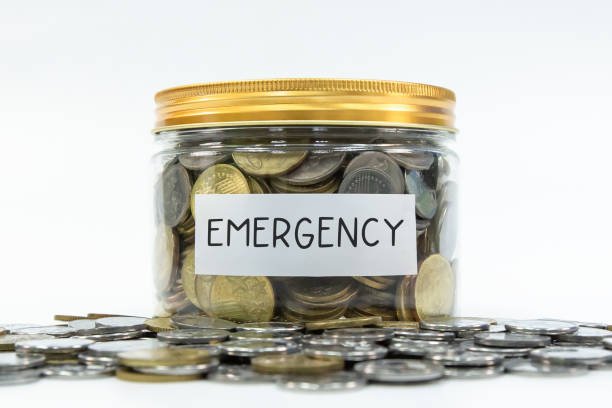
To strengthen your budgeting system even further:
- Review your budget weekly
- Compare prices before big purchases
- Buy quality over cheap repeated replacements
- Build an emergency fund covering at least three months of expenses
- Set clear financial goals such as travel, investment, or debt freedom
For official financial planning resources, you can explore educational material provided by the Federal Trade Commission, which offers practical advice on managing money responsibly.
External references from trusted institutions improve content authority and trust signals for search engines.
Daily Habits That Help You Spend Money Wisely Without Stress
If you truly want to master how to spend money wisely, focus on small daily habits. Big financial success is built on small repeated actions. Start by reviewing your spending every evening for five minutes. This simple habit increases awareness and keeps your budgeting plan active in your mind. People who regularly check their expenses are more likely to stay disciplined and aligned with their goals.
Another powerful habit that supports how to spend money wisely is setting clear weekly spending limits for categories like food, transport, and entertainment. When limits are clear, decision making becomes easier. You no longer guess whether you can afford something. You already know. These structured daily habits strengthen your budgeting system, reduce unnecessary expenses, and help you consistently spend money wisely without feeling restricted or overwhelmed.
Common Mistakes to Avoid When Trying to Spend Money Wisely
Even motivated people make mistakes. Avoid these:
- Making unrealistic budgets
- Cutting everything and feeling deprived
- Ignoring emergency funds
- Tracking only big expenses
- Comparing your lifestyle to others
Smart budgeting is about balance, not punishment.
Benefits of Learning How to Spend Money Wisely
When you consistently apply these five practical budgeting tips, you will notice:
- Reduced financial stress
- Clear financial direction
- Stronger savings growth
- Fewer money-related arguments
- More confidence in decision-making
Financial control improves mental peace. Money stops controlling you.
Frequently Asked Questions
How can I start spending money wisely with a low income?
Start with tracking expenses and creating a simple budget. Even small savings matter. Focus on reducing unnecessary expenses first before increasing income.
Is budgeting really necessary?
Yes. Budgeting is the foundation of smart money management. Without a plan, spending becomes emotional and unstructured.
How much should I save each month?
A common recommendation is at least 20 percent of income, but even 5 to 10 percent is powerful if you are consistent.
What is the fastest way to reduce unnecessary spending?
Track daily expenses and apply the 24-hour rule before non-essential purchases.
Final Thoughts
Learning how to spend money wisely is not a one time decision. It is a lifelong skill that improves with practice. You do not need a perfect system from day one. You need consistency. When you focus daily on how to spend money wisely, even small improvements in your habits can create powerful long term results.
The truth is simple. People who understand how to spend money wisely build stability even with average income. They plan before spending, save before shopping, and think before upgrading their lifestyle. Over time, this disciplined approach reduces stress, increases savings, and creates financial freedom.
If you truly want to change your financial future, start today. Apply what you have learned about how to spend money wisely. Review your budget, control impulse purchases, and stay committed to your goals. Smart spending is not about restriction. It is about direction. And once you master how to spend money wisely, every financial decision becomes easier and more confident.
Comments are closed.